Poop & habitsMeet the Bristol stool chart.
Pebbles, smooth, or somewhere in between? Meet the seven poop types and learn what’s worth noting.
Updated 2026-10-20Editorial preview · clinical review pending
The little takeawayThe chart gives you words for what you see. Your usual pattern, how you feel, and any changes matter too.
A shape guide. Not a health score.
The Bristol stool chart is a seven-type scale for describing stool shape and consistency. It gives you and a healthcare professional a shared language for something that can feel awkward to explain.
Types 3 and 4 are generally considered well-formed stools. But one type cannot diagnose a condition, reveal its cause, or prove everything is fine. Look at what is usual for you and how you feel.
01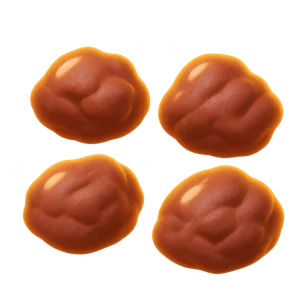
Type 1 · Pebbles
Individual firm pellets, rather than one connected piece. They can be difficult to pass.
Hard, dry stools can be a sign of constipation. Note any straining, discomfort, or change in how often you go; the shape alone does not explain why.
02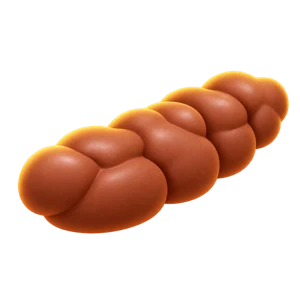
Type 2 · Lumpy
One sausage-like piece with a bumpy, knobbly surface.
This is another hard stool pattern. If it keeps happening, especially with painful or difficult visits, discuss it with a healthcare professional.
03
Type 3 · Cracked
A formed, elongated piece with visible cracks across its surface.
Type 3 is generally within the well-formed range. Still record discomfort or changes you notice; a familiar shape does not tell the whole story.
04
Type 4 · Smooth
A soft, even piece with a smooth surface, shaped like a sausage or snake.
Type 4 is also generally well-formed. Think of it as a description to log, not a target you have to achieve at every visit.
05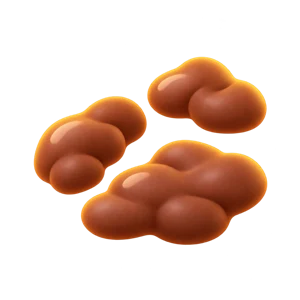
Type 5 · Soft blobs
Separate soft pieces with clearly defined outlines.
This is softer than types 3–4. Note whether it is a one-off or part of a change. One appearance cannot tell you that a specific food or habit caused it.
06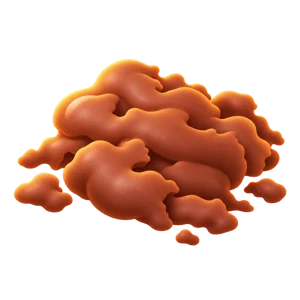
Type 6 · Mushy
Loose, fluffy fragments with uneven edges and a mushy texture.
Include how often it happens and whether there is urgency or pain. Repeated loose stools need more context than the type number alone.
07
Type 7 · Watery
Liquid stool without formed pieces.
Diarrhea means loose, watery stools three or more times a day, or more often than is normal for you. Frequent watery stools can lead to dehydration. See the advice below if this is happening.
A type is a start. Add your story.
Choose the closest description. Then add the time and a few words about how it felt. A short, consistent note is easier to look back on than a perfect description.
Keep water and everyday habits alongside your visits if that helps you remember your day. Patterns are conversation starters, not proof that one thing caused another.
When to check in with a professional.
For adults: get medical help promptly for blood or black, tarry stool, severe or constant abdominal pain, frequent vomiting, or signs of dehydration such as dizziness or much less urine.
Contact a doctor for diarrhea lasting more than two days, high fever, or six or more loose stools in a day. Constipation that does not improve with self-care also needs advice. With constipation, inability to pass gas or vomiting needs prompt attention.
Don’t wait to fill a journal or match a type if you feel unwell.
PooDoo✳FROM “AHA” TO EVERYDAY
Your type. Your story.
Keep your shape, timing and notes in one friendly journal.
✳MY LITTLE JOURNAL✳
9:41 AM · SmoothFelt easy. All noted.
 ✓
- ✓Log your poop type
- ✓Keep your daily notes
- ✓Look back at your patterns
Available on iOS & Android